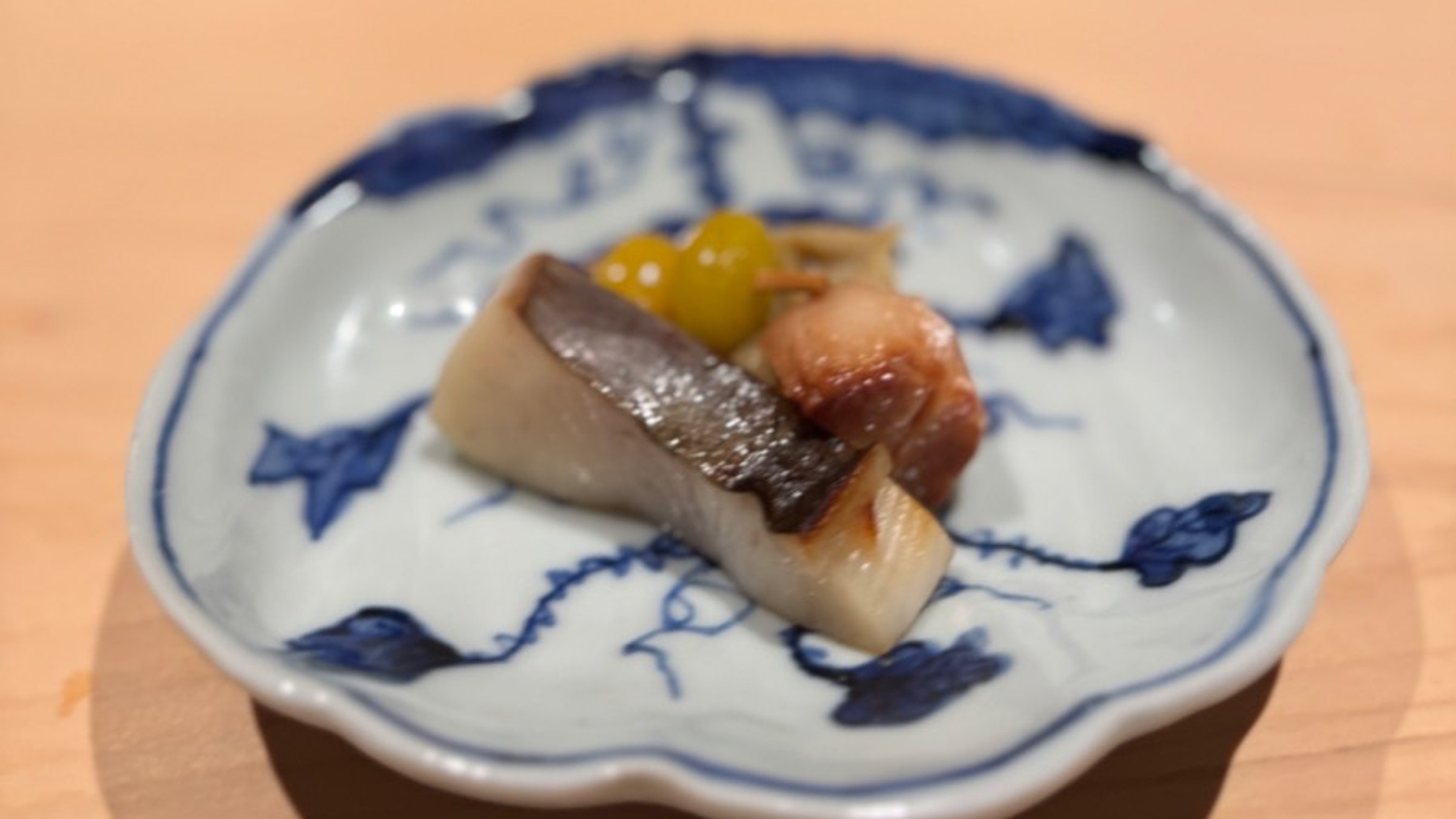
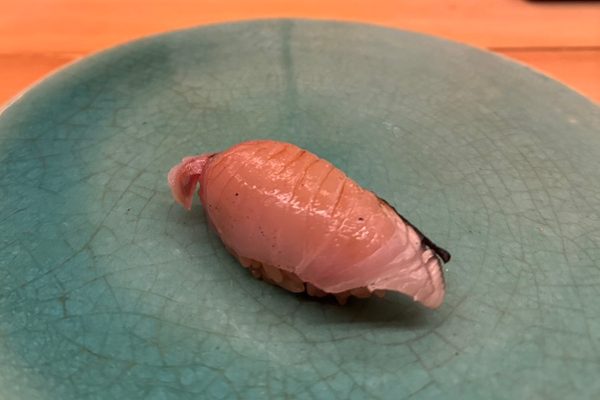
The first bite of kohada at Sushi Senpa tells you everything about this Fukuoka counter. The vinegared mackerel melts against rice that's been seasoned with just enough akazu red vinegar to complement, not compete. The chef understands what many sushi-ya miss: great fish deserves equally great shari.
Sitting at the eight-seat hinoki counter, I watch him work rice that's cooked to individual grains, each one distinct yet cohesive when pressed. The temperature hovers at human body warmth—not the ice-cold shari you'll find at tourist traps, but rice that dissolves on your tongue while releasing the fish's flavor. This attention to the foundation is what separates serious sushi from Instagram props.
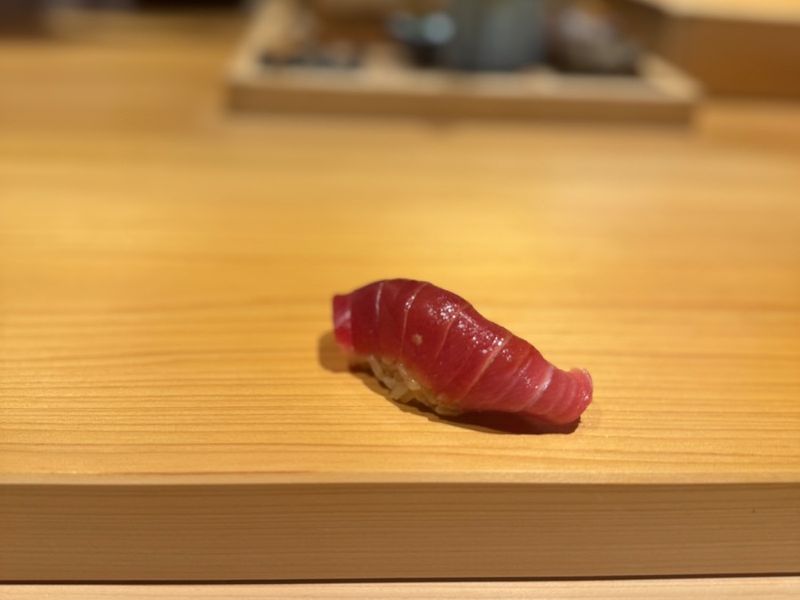
He sources fish through wholesale connections [NEEDS VERIFICATION]: market source — Tsukiji vs Toyosu vs Fukuoka local. His rice philosophy is purely personal. He adjusts the vinegar blend daily based on humidity and temperature, treating each grain like it matters. Because it does. The maguro here tastes different not just because of the tuna quality, but because the shari provides the perfect acidic counterpoint to the fish's richness.
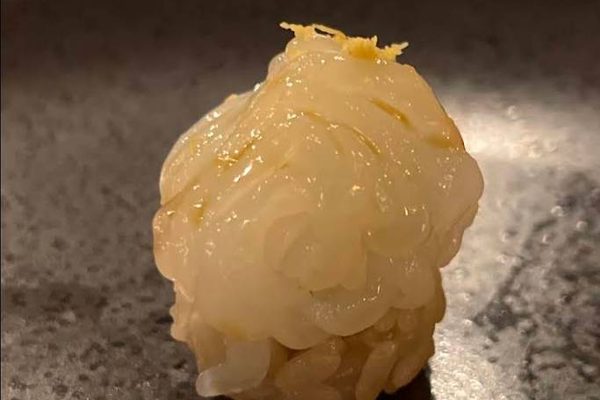
The progression moves through seasonal selections—sweet amaebi, buttery uni from Hokkaido, silver-skinned fish that showcase his curing techniques. Each piece arrives with rice that's been shaped just firm enough to hold together until it hits your mouth, then falls apart to let the fish shine. This is traditional Edo-mae technique executed with Kyushu precision.
Reservations are essential and often booked weeks ahead. The omakase runs around ¥25,000, which reflects both the fish quality and the rice mastery most diners never notice. [NEEDS VERIFICATION]: omakase price and counter seat count But once you taste shari this carefully crafted, you'll understand why Senpa has earned its place among Fukuoka's top counters.
EAT
The Rice Makes the Difference at Sushi Senpa in Fukuoka
Where the shari speaks as loudly as the fish
T
The Editor
April 8, 2026 · 4 min read
📍Sushi Senpa鮨仙八
GALLERY
sushifukuokaomakasecounter diningtraditional technique
T
The Editor
Travels the world, comes home to Tokyo. How things are made, where to find a great meal, and what makes this country worth paying attention to. Someone who knows Japan from the inside—and from the outside looking back in.
READ NEXT
NEWSLETTER
This Week in Japan
A weekly dispatch from Tokyo: what to wear, where to eat, what matters now.